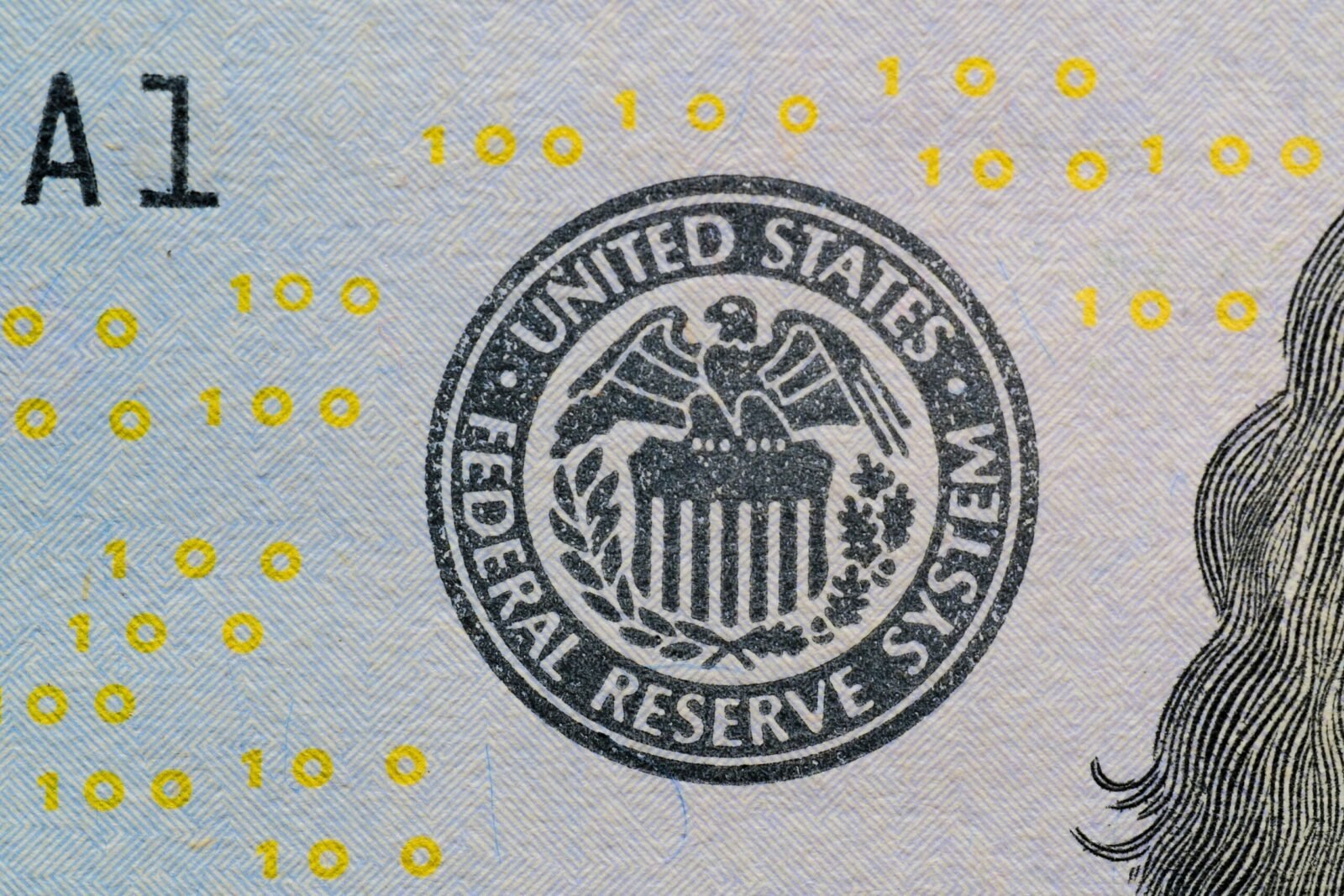
As of March 6, 2026 (Pune time), the Federal Reserve’s benchmark federal funds rate remains unchanged at a target range of 3.50% to 3.75%. This follows the Fed’s decision to hold rates steady at its January 27-28, 2026 FOMC meeting—the first pause after three consecutive 25-basis-point cuts in late 2025. The effective federal funds rate (actual traded rate) sits around 3.64% based on recent daily data.
The next FOMC meeting is scheduled for March 17-18, 2026, with the policy announcement expected on March 18. Market expectations (via CME FedWatch Tool and prediction markets) overwhelmingly point to no change in March—probabilities hover around 96-97% for maintaining the current range. Analysts anticipate the Fed may resume modest cuts later in 2026 (possibly 1-2 times, targeting closer to 3% by year-end) if inflation continues trending toward the 2% goal and economic data supports it. However, officials remain divided: some favor patience to ensure disinflation stays on track, while a minority pushed for a cut in January.
This update directly impacts borrowing costs for consumers and businesses, especially variable-rate loans. Here’s a breakdown of what the current Fed stance means for loans in March 2026 and beyond.
Current Fed Funds Rate Snapshot (March 2026)
- Target Range: 3.50% – 3.75% (unchanged since January 2026)
- Effective Rate: ~3.64% (as of early March data)
- Recent History: After peaking higher in prior years, the Fed cut aggressively in late 2025 to ease policy amid cooling inflation, then paused to assess incoming data (e.g., CPI, jobs reports).
- Inflation Context: Progress toward 2% target continues, but “sticky” elements and external factors (e.g., oil prices, yields) delay aggressive easing.
- Next Decision: March 18, 2026—widely expected hold, with focus on updated economic projections and Chair’s press conference tone.
What This Means for Different Types of Loans
The federal funds rate influences short-term borrowing costs and serves as a benchmark for many consumer and business loans. Here’s how the current hold (and potential future path) affects key loan types:
1. Variable-Rate Loans (e.g., Credit Cards, HELOCs, Adjustable-Rate Mortgages)
- Current Impact: Rates remain elevated but stable. Average credit card APRs hover in the mid-to-high teens (often prime rate + margin; prime ~8.50% as of early 2026).
- What to Expect: No immediate relief from the March hold. If the Fed cuts later (e.g., June/September), expect gradual drops of 0.25%–0.50% per cut, lowering monthly payments on adjustable loans.
- Tip for Borrowers: If carrying high-interest variable debt, prioritize payoff or refinancing to fixed rates while rates are paused.
2. Fixed-Rate Mortgages (30-Year, 15-Year)
- Current Impact: Mortgage rates (influenced more by 10-year Treasury yields than Fed funds directly) are in the 5.9%–6.3% range for 30-year fixed (as forecasted in early March).
- What to Expect: The Fed hold keeps Treasury yields relatively anchored, preventing sharp spikes but limiting big drops. A future cut cycle could push mortgage rates toward 5.5% or lower by late 2026.
- Tip: Lock in fixed rates now if buying/refinancing—stability favors planning over waiting for uncertain cuts.
3. Auto Loans & Personal Loans
- Current Impact: Rates tied to prime or similar benchmarks stay firm (auto loans ~6%–9% average).
- What to Expect: Minimal near-term change. Cuts later in 2026 would ease new loan costs modestly.
- Tip: Shop around—competition among lenders can yield better deals even in a hold environment.
4. Student Loans & Business Loans
- Federal Student Loans: Fixed rates set annually (unaffected directly by Fed moves).
- Private/Variable Student Loans: Follow similar trends to credit cards—stable for now.
- Business/Commercial Loans: Lower borrowing costs support expansion if the Fed eases later.
Broader Economic Implications for Borrowers in 2026
- Positive Side: The pause signals confidence in economic “firm footing” (strong jobs, growth). Lower inflation supports long-term rate declines without recession risks.
- Challenges: Elevated rates keep borrowing expensive compared to pre-2022 levels—delaying big purchases or increasing debt servicing costs.
- Outlook: Analysts (e.g., J.P. Morgan, iShares) expect 1–2 cuts in 2026, likely mid-to-late year, bringing the range closer to 3%. Watch March 18 statement for clues on timing.
What Should You Do Right Now?
- Monitor Key Data — Upcoming CPI (March 11-ish), jobs reports influence Fed tone.
- Refinance Strategically — Lock fixed rates for mortgages; tackle high-interest variable debt.
- Build Emergency Funds — Stability helps, but uncertainty lingers.
- Stay Informed — Follow federalreserve.gov, CME FedWatch, or reliable sources like Trading Economics for March 18 updates.
The Fed’s cautious approach in early 2026 prioritizes sustained 2% inflation over rapid easing—what it means for loans is stable (but still high) borrowing costs for now, with potential relief later in the year.
Ready for more details? Bookmark federalreserve.gov for the March 18 announcement. Comment below for India-specific impacts (e.g., rupee loans, remittances). Always check official sources for the latest—economic data evolves quickly!
Note: Rates and forecasts as of March 6, 2026; subject to change based on new data.